






10 Classroom Garden Ideas for Back-to-School (Teachers' Edition)
A classroom garden doesn't need a plot of land or a big budget. A sunny windowsill, a few small pots, and a handful of seeds are enough to turn any classroom, K through 5, into a place where kids watch something grow with their own hands. Here are 10 ways to bring that into your room this fall.
Why a Classroom Garden Is Worth the Effort
Plants give kids something screens can't: patience, a daily routine, and a small win they earned themselves. A classroom garden also travels across subjects without much extra planning. The same seed tray that teaches a science lesson on Monday can turn into a measuring exercise on Wednesday and a writing prompt on Friday. And for a lot of kids, it's simply the first time they've grown something themselves.
Easy Classroom Garden Projects (No Big Budget Needed)
You don't need a full garden bed to start. A few low-cost setups work well in almost any classroom:
- A windowsill row of small pots, one per student or table group, lined up along the sunniest window you've got.
- A shared classroom tray, several pots on one tray so watering and light stay consistent without needing a dozen separate spots.
- An egg carton starter station, using paper egg cartons as individual seed cups, an easy, low-mess way to start a whole class of seedlings at once.
- A "plant buddy" pairing, where two students share care of one pot, splitting watering days and observation notes.
Whatever setup you choose, plants can start indoors and stay there for the whole school year, or move outside once they've grown a bit. Either path usually means transplanting into a larger pot as roots fill out the smaller starter container, so plan for that step regardless of where the plant ends up. A grow light helps too, if you're low on natural light.
Best Plants for the Classroom
Not every plant is a good classroom fit. Look for things that are fast, forgiving, and interesting to watch:
Sunflowers grow quickly and dramatically, which makes them a favorite for younger grades who want to see progress fast.
Marigolds are nearly impossible to kill and bloom in bright, cheerful color within weeks.
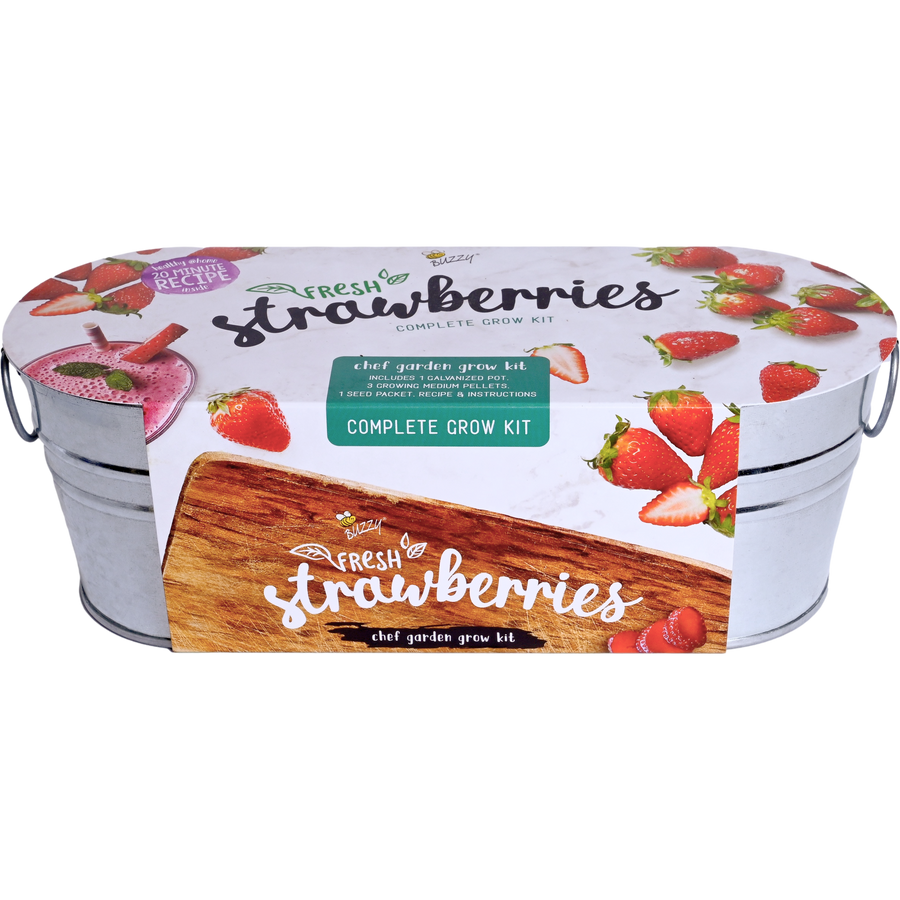
Strawberries give kids an actual harvest to look forward to, which is a strong motivator for daily care.
The sensitive plant (Mimosa pudica) folds its leaves when touched, which turns "don't poke the plant" into "watch what happens when you touch the plant," a built-in lesson in cause and effect.
Tying Gardening to the Curriculum
A classroom garden is a rare unit that touches nearly every subject without much extra prep:
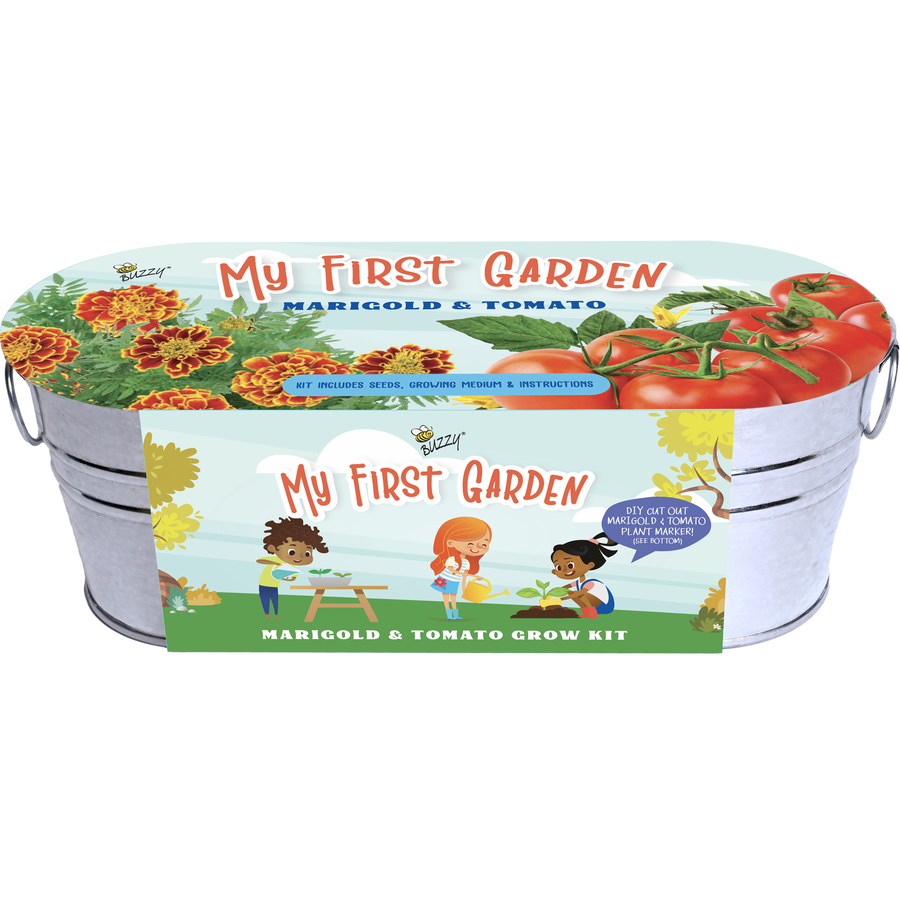
Science: Track germination day by day, or use a Tomato & Marigold kit to introduce companion planting, the idea that some plants actually help each other grow. Marigolds release a scent that many common garden pests avoid, so planting them near tomatoes can mean fewer bugs bothering the tomato plant. It's a simple, visible example of how plants interact with their environment, not just grow in isolation.
Math: Measure stem height weekly and graph the growth. Count leaves. Compare germination rates across different pots.
Writing: Keep a plant journal. Predict what will happen next, then write about what actually did.
Responsibility: A watering schedule, even a simple one posted by the window, teaches follow-through in a way that's easy for young kids to grasp.
Group Activities and Maintenance Routines
Keeping a classroom garden alive through the school year is mostly about routine, not effort:
- Assign a rotating "plant helper" job, same as a line leader or calendar helper.
- Set a fixed watering day so plants don't get forgotten or overwatered by well-meaning extra hands.
- Do a Friday check-in where students jot down or sketch what's changed that week.
- If a plant is ready to move to a bigger pot or outside, make the transplanting itself a lesson, a hands-on look at how roots grow and why they eventually need more room.
Buzzy's Classroom-Friendly Kit Picks
Kids My First Garden Grow Kit | Tomato & Marigold Beyond being an easy first grow, this pairing is a real-world companion planting example. Marigolds planted near tomatoes are thought to help repel common pests, so growing them side by side gives students something concrete to observe, not just a fact from a textbook. Also available in a 2-pack planter with a sunflower garden.

Kids My First Garden Grow Kit | Tomato & Sunflower, 2 Pots with Tray Two plants, one tray, a good fit for a table group sharing the responsibility.

Kids Strawberry Grow Kit | Mini Galvanized Basin Slower to fruit than a marigold or sunflower, but the payoff of an actual berry makes the wait worth it for older grades.

Sensitive Plant Grow Kit | Mimosa Pudica Mini Basin The leaves fold up when touched, which makes it one of the most reliably attention-grabbing plants for a classroom.

Egg Carton Grow Kit | Sunflower & Daisy 2-Pack Comes in eco-friendly paper cartons, a natural fit if you're already leaning into the egg carton starter station idea above, and an easy way to start a whole row of seedlings without a lot of separate pots.

For outfitting more than one desk or table group, the Kids Gardening Bundle | Flower and Fruit Kits is worth a look. It's on sale, and bundles the My First Garden, Kids Sunflower, and Kids Strawberry Mini kits together, an easy way to cover a few different plants and price points in one order instead of buying each kit separately.
Every Buzzy kit also comes with our Grow Guarantee, so if a seed doesn't sprout the way it should, we'll replace it, no small comfort when you're managing 20 pots instead of one.